
When Should an Assisted Living Facility Replace Its Floors?
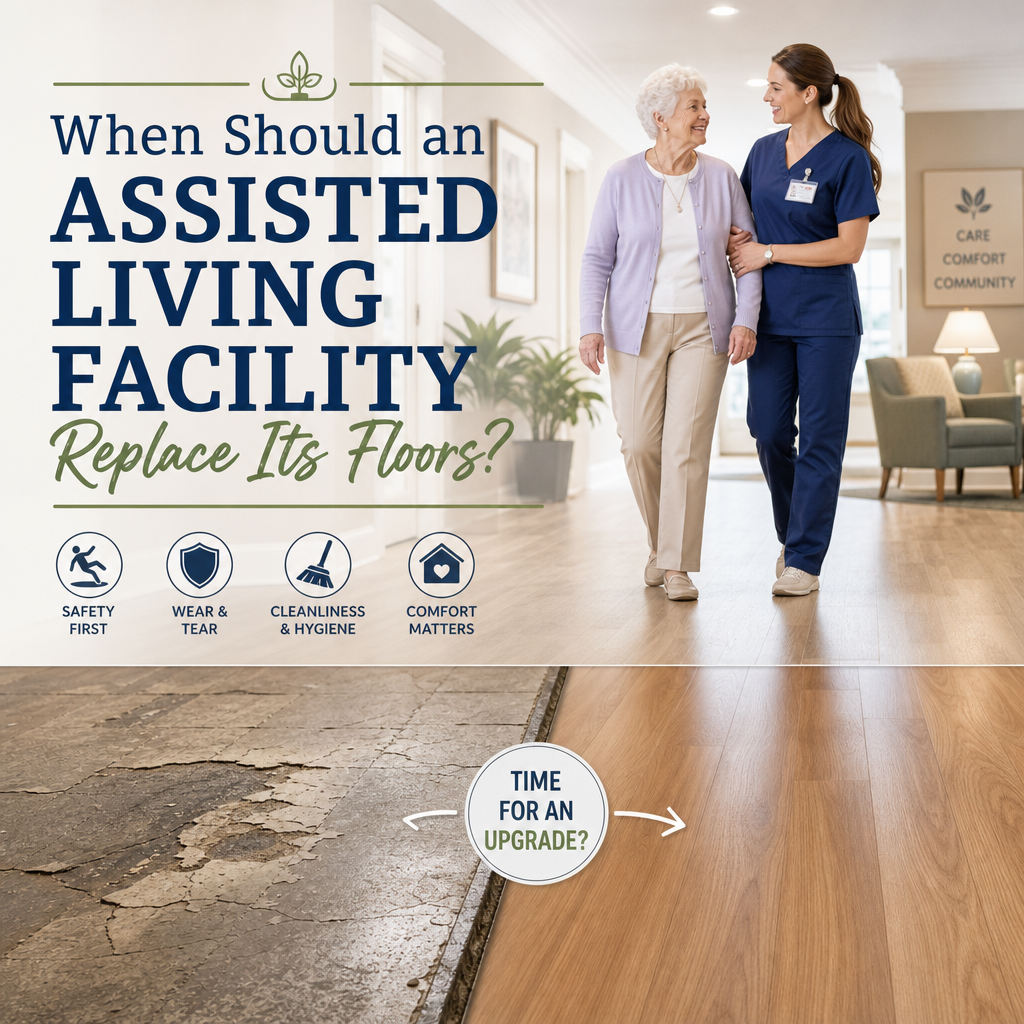
Maintaining a safe and comfortable environment is a top priority for assisted living facilities. One crucial aspect of upkeep often overlooked is the condition of the flooring. Floors endure constant foot traffic, frequent cleaning, and the occasional accidental damage, all of which take a toll over time. Knowing when an assisted living facility should replace floors is vital for the safety and well-being of residents, staff, and visitors.
Why Floor Replacement Matters in Assisted Living Facilities
Floors in assisted living facilities face unique challenges:
- Heavy foot traffic from residents, staff, and visitors.
- Movement of wheelchairs, walkers, and other mobility aids.
- Frequent cleaning and disinfecting with strong chemicals.
- Increased risk of slips, trips, and falls if floors are damaged or uneven.
Old, damaged flooring can become a serious hazard. Worn-out surfaces may lead to falls or injuries, compromising the safety of vulnerable seniors. Furthermore, damaged floors can negatively impact hygiene and overall facility appearance, which affects resident satisfaction and regulatory compliance.
Signs It’s Time to Replace Floors
Assisted living facility administrators should watch for the following warning signs that indicate the need to replace floors:
1. Visible Wear and Tear
Scratches, gouges, and worn spots that cannot be repaired suggest that the floor’s protective layers are compromised. Look out for:

- Deep scratches or dents.
- Areas where the finish has completely worn off.
- Cracks or broken tiles.
- Warping or buckling of flooring material.
2. Increased Slip and Fall Incidents
If residents or staff begin experiencing more slips or trips, it may be related to the flooring surface. Floors that are too slick, uneven, or damaged pose a real safety risk.
3. Mold or Mildew Problems
Moisture seepage beneath flooring can cause mold or mildew growth. This is particularly hazardous in living environments, as it can affect indoor air quality and resident health. For more information on maintaining healthy indoor environments, visit the EPA’s Mold Resources.
4. Odors or Stains That Won’t Go Away
Stubborn stains or unpleasant odors indicate that spills, pet accidents, or bodily fluids have penetrated the floor material, making it unsanitary even after cleaning.
5. Flooring Materials Not Meeting Accessibility Standards
In assisted living, compliance with ADA standards and other regulations is essential. Floors that no longer meet traction or accessibility requirements must be replaced promptly.
When to Consider Complete Floor Replacement vs. Repair
Some flooring issues might be fixed with professional repairs or refinishing, extending the life of the existing material. However, replacement is necessary when:
- Damage is extensive or widespread.
- Flooring material is outdated or incompatible with mobility aids.
- Repairs would be more costly in the long run.
- The flooring no longer meets safety or sanitation standards.
Choosing the Right Time for Floor Replacement
Schedule Around Low Activity Periods
Floor replacement can disrupt daily operations and resident routines. Aim to plan flooring work during times of low occupancy or when residents can be temporarily relocated.
Budget and Maintenance Planning
Floor replacement can be costly. Including it in the facility’s long-term maintenance budget helps avoid surprise expenses. Regular inspections and floor condition assessments will guide timing.
Consider Longevity and Durability
When selecting new flooring, opt for materials designed for high-traffic areas. Durable, slip-resistant, easy-to-clean flooring will reduce future replacement frequency and enhance safety.
Flooring Options Suitable for Assisted Living Facilities
When replacing floors, consider materials that combine safety, durability, and aesthetics:
- Luxury Vinyl Tile (LVT): Offers durability, water resistance, and slip resistance, plus a variety of styles.
- Rubber Flooring: Soft, slip-resistant, and shock absorbent, excellent for reducing injury risk.
- Linoleum: Natural, eco-friendly, and easy to maintain, plus good traction.
- Carpet Tiles: Provide softness and warmth with easy replacement of damaged sections.
- Ceramic or Porcelain Tile: Durable and hygienic but ensure slip-resistant finishes.
Conclusion
Knowing when an assisted living facility should replace floors is essential for creating a safe and welcoming environment. Regular inspections for wear and safety issues, considering resident needs, and planning floor replacements thoughtfully will keep the facility running smoothly. Prioritizing floor safety and quality not only protects residents but also enhances the facility’s reputation and compliance with health standards.
Regular maintenance, combined with timely floor replacement, ensures that assisted living facilities remain a safe and comfortable home for seniors. For more detailed guidelines on commercial flooring standards relevant to facilities like assisted living homes, see our post on 2026 Commercial Flooring Standards Atlanta Businesses Must Know.