
Best Flooring Solutions for Rehabilitation and Physical Therapy Centers
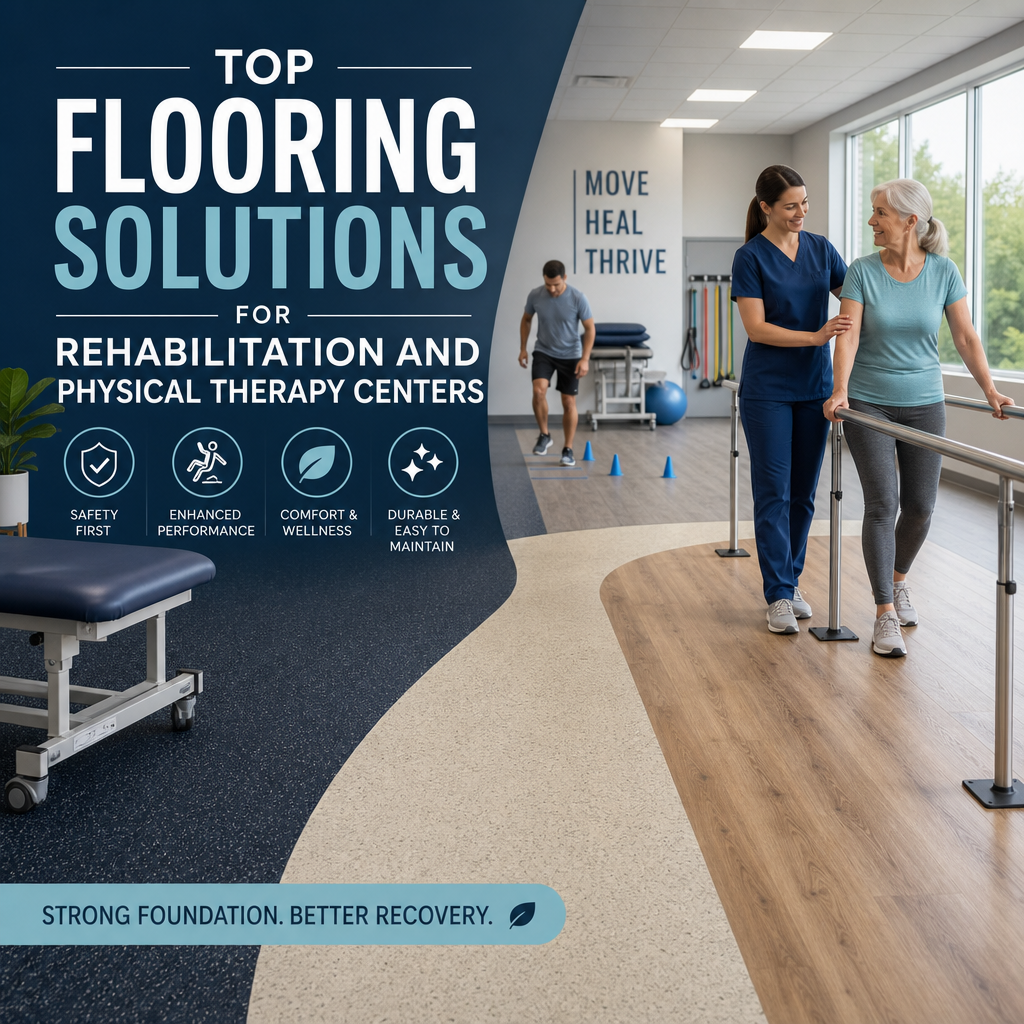
When designing or renovating rehabilitation and physical therapy centers, one crucial yet often overlooked aspect is the choice of flooring. The right flooring solution not only enhances the safety and comfort of patients but also supports the functionality and maintenance needs of the facility. In this article, we’ll explore the best flooring solutions for rehabilitation and physical therapy centers, focusing on materials that provide durability, safety, and ease of cleaning.
Why Flooring Matters in Rehabilitation and Physical Therapy Centers
The flooring in these centers must accommodate a wide range of physical activities—from walking and stretching to more rigorous exercises and equipment use. Additionally, it must:
- Minimize injury risk: Floors should be slip-resistant and cushioned enough to reduce impact falls.
- Support mobility aids: Flooring should withstand wear and tear from wheelchairs, walkers, and crutches.
- Facilitate cleanliness: Easy-to-clean surfaces help maintain hygiene and prevent infections.
- Enhance comfort: Comfortable flooring encourages patients to engage in therapy sessions for longer durations.
Key Features to Consider in Flooring Solutions
Before diving into specific materials, it’s important to understand the features that effective flooring should have in rehabilitation and physical therapy centers:
1. Durability
The floor must endure heavy foot traffic and equipment movement without showing wear quickly.
2. Safety
Slip resistance and shock absorption are crucial to prevent falls and injuries.
3. Comfort
Softness and cushioning reduce stress on patients’ joints during therapy.
4. Hygiene
The floor should resist moisture and be easy to clean to maintain sanitary conditions.
5. Accessibility
Smooth and even surfaces facilitate wheelchair and walker mobility.
Top Flooring Options for Rehabilitation and Physical Therapy Centers
1. Vinyl Flooring
Why it’s a top choice:
Vinyl flooring is extremely popular in healthcare settings because of its durability, slip resistance, and ease of maintenance. It comes in a variety of commercial-grade options that can mimic the appearance of wood or stone, promoting a warm, welcoming environment.
Benefits:
- Water and stain resistant
- Provides moderate cushioning underfoot
- Available with specialized slip-resistant finishes
- Easy to clean and disinfect
2. Rubber Flooring
Why it’s ideal for therapy centers:
Rubber flooring offers exceptional shock absorption and slip resistance, making it perfect for rehabilitation exercises that involve lots of movement and falls.
Benefits:
- Excellent resilience and cushioning
- High slip resistance even when wet
- Noise reduction properties
- Long-lasting and low-maintenance
3. Cork Flooring
A softer option with benefits:
Cork flooring is a natural, eco-friendly option that offers warmth and comfort with good shock absorption, helping reduce fatigue for both therapists and patients.
Benefits:
- Natural antimicrobial properties
- Soft and cushioned surface protects joints
- Insulates against temperature and sound
- Requires sealing for moisture resistance
4. Carpet Tiles
When to consider carpet:
While not common for therapy rooms where hygiene is crucial, carpet tiles may be suitable for waiting areas or offices within the center to provide comfort and noise control.
Benefits:
- Soft underfoot and comfortable
- Easier to replace individual tiles
- Enhances acoustics
- Available in hypoallergenic materials
5. Engineered Wood Flooring
For aesthetic appeal and moderate use:
Engineered wood offers an attractive finish and is easier to maintain than traditional hardwood, although it is better suited for administrative or consultation areas rather than active therapy spaces.
Benefits:
- Visually warm and inviting
- More moisture resistant than solid hardwood
- Smooth, even surface for mobility aids
Flooring Maintenance Tips for Therapy Centers
Maintaining the flooring in rehabilitation and physical therapy centers requires a consistent cleaning schedule and prompt attention to spills or damage.
- Regular cleaning: Sweep or vacuum daily and mop with appropriate cleaners weekly.
- Use floor protection pads: Prevent scratches from equipment with protective underlays or mats.
- Inspect for damage: Repair or replace damaged flooring promptly to avoid tripping hazards.
- Professional cleaning: Schedule deep cleaning periodically for optimal hygiene.
Additional Resources
For more information on selecting commercial flooring that meets safety and building standards, see Commercial Flooring Solutions Meeting Atlanta Building Codes. This resource offers helpful guidance on compliance and durability considerations relevant to therapy centers.
Also, understanding moisture control is critical to flooring longevity and hygiene. Visit the CDC guidelines on environmental infection control for authoritative advice on maintaining clean and safe healthcare environments.
Conclusion
Choosing the best flooring solutions for rehabilitation and physical therapy centers is a balance between safety, comfort, durability, and hygiene. Popular options like vinyl and rubber flooring provide excellent slip resistance and cushioning essential for patient safety and therapy effectiveness. Cork offers a sustainable, comfortable choice, while carpet tiles and engineered wood can enhance aesthetic and comfort in less active areas of the center. By selecting the right flooring and maintaining it properly, centers can create a safer, more welcoming space conducive to healing and recovery.
Investing time and resources in choosing the best flooring solution ultimately improves the therapy experience for both patients and staff, reducing injury risks and promoting better outcomes.