Luxury Vinyl Plank (LVP) vs. Commercial Carpet Tile: Lifecycle Cost & Maintenance Comparison
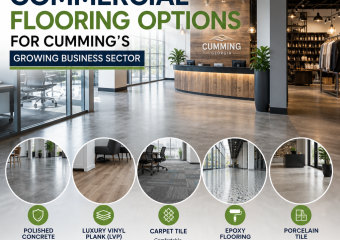
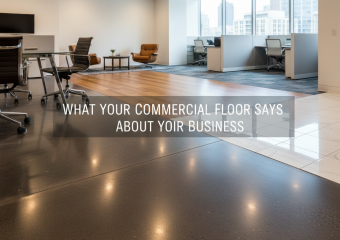
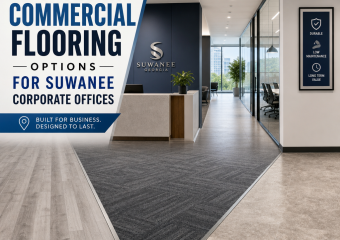
Choosing the right commercial flooring is an important decision for businesses in Atlanta, Georgia. The right flooring can improve the appearance of a workplace, support daily operations, and help control long-term maintenance expenses. Two popular options are Luxury Vinyl Plank (LVP) and commercial carpet tile. Both offer unique advantages, but the best choice depends on the type of business, foot traffic, cleaning requirements, and available budget.
Luxury Vinyl Plank is a synthetic flooring material designed to resemble natural wood. It is available in various colors, patterns, and textures, making it a popular choice for modern commercial interiors.
LVP is commonly used in offices, retail stores, reception areas, and other commercial spaces where businesses want an attractive appearance with relatively simple maintenance.
One major advantage of LVP is its resistance to everyday spills when the appropriate product is selected and installed correctly. Routine cleaning usually involves sweeping and damp mopping. Many commercial-grade products are also designed to withstand regular foot traffic.
However, LVP can still be damaged by heavy equipment, sharp objects, or improper installation. Businesses should select flooring designed for their specific commercial environment.

Commercial carpet tile consists of individual carpet sections installed together to create a continuous floor covering. Unlike traditional broadloom carpet, carpet tile can often be replaced in individual sections when stains or damage occur.
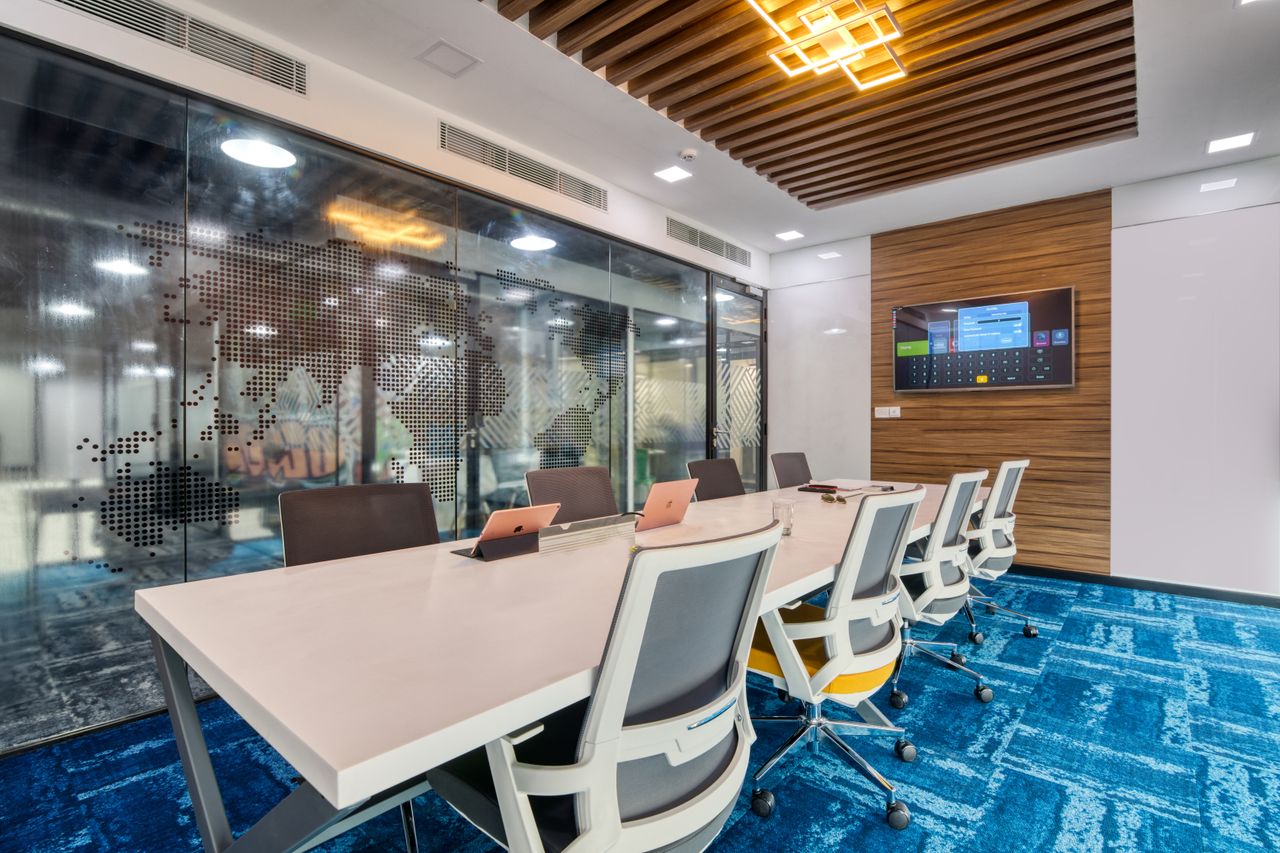
Carpet tile is widely used in corporate offices, conference rooms, educational buildings, and professional workplaces. Its soft surface helps create a comfortable environment, while its sound-absorbing properties can reduce footstep noise.
Another advantage is design flexibility. Businesses can combine different colors and patterns to create attractive office interiors or define separate work areas.
However, carpet tile requires regular vacuuming and occasional deep cleaning. Spills should be treated promptly to help prevent permanent stains and unpleasant odors.
The initial installation price is only one part of the total cost of commercial flooring. Businesses should also consider cleaning, repairs, replacement materials, and potential disruption during renovation.
LVP installation costs depend on product quality, subfloor preparation, labor, and the installation method. A smooth and properly prepared subfloor is important for achieving a professional finish.
Carpet tile installation costs also vary according to material quality, backing, adhesive requirements, and labor. Comparing detailed estimates from flooring professionals can help businesses understand the complete project cost.
For routine maintenance, LVP generally requires sweeping and damp mopping. Carpet tile typically needs regular vacuuming and periodic professional cleaning. The overall maintenance expense depends on the size of the building, the amount of daily traffic, and the cleaning schedule.
Neither material is always cheaper over its entire lifespan. Businesses should compare actual costs based on their specific needs.
Durability is an important consideration for commercial flooring, particularly in busy Atlanta offices, retail stores, and shared workspaces.
Commercial-grade LVP can perform well in many high-traffic environments when selected and installed correctly. Individual planks may be replaceable if damage occurs, although matching older flooring can sometimes be difficult.
Carpet tile also offers practical repair options. Damaged or heavily stained tiles can often be replaced individually, reducing the need to replace an entire room. Keeping spare tiles from the original installation can make future repairs easier.
The lifespan of either material depends on product specifications, installation quality, traffic levels, and maintenance practices.
Corporate offices can benefit from carpet tile in conference rooms and open-plan workspaces because it helps manage noise.
LVP may be suitable for reception areas, corridors, and break rooms.
Retail stores may prefer LVP because it offers attractive finishes and is generally straightforward to clean. Carpet tile may work in selected areas where comfort and sound control are priorities.
Educational facilities may use either option, depending on the room’s purpose, maintenance resources, and expected foot traffic. Product durability and cleaning requirements should guide the decision.
Healthcare environments require careful flooring selection. Businesses must consider hygiene, cleaning chemicals, moisture exposure, and applicable requirements. Some healthcare areas may need specialized flooring systems rather than standard LVP or carpet tile.
Businesses in Metro Atlanta can take several steps to manage flooring costs over time.
First, choose commercial-grade materials that match the expected traffic and daily use of the space. Second, ensure the subfloor is properly inspected and prepared before installation. Third, establish a regular cleaning schedule based on the manufacturer’s recommendations.
Businesses should also compare warranties, repair options, and replacement availability before making a final decision. Requesting detailed estimates helps property managers compare installation and long-term maintenance expenses more accurately.
Luxury Vinyl Plank and commercial carpet tile both offer valuable benefits for commercial properties. LVP is often suitable for businesses that prioritize easy cleaning, a modern wood-look appearance, and resistance to everyday spills. Commercial carpet tile is particularly useful in offices where acoustic comfort, design flexibility, and individual tile replacement are important.
For businesses in Atlanta, Georgia, the best flooring choice depends on the building’s requirements, maintenance budget, and long-term goals. By comparing installation expenses, cleaning needs, repair options, and expected performance, business owners can make a more informed investment.
Choosing the right commercial flooring is not simply about finding the lowest initial price. It is about selecting a practical solution that supports the business, maintains a professional appearance, and provides value over time.