How Dacula Property Managers Can Extend Floor Lifespan with Maintenance
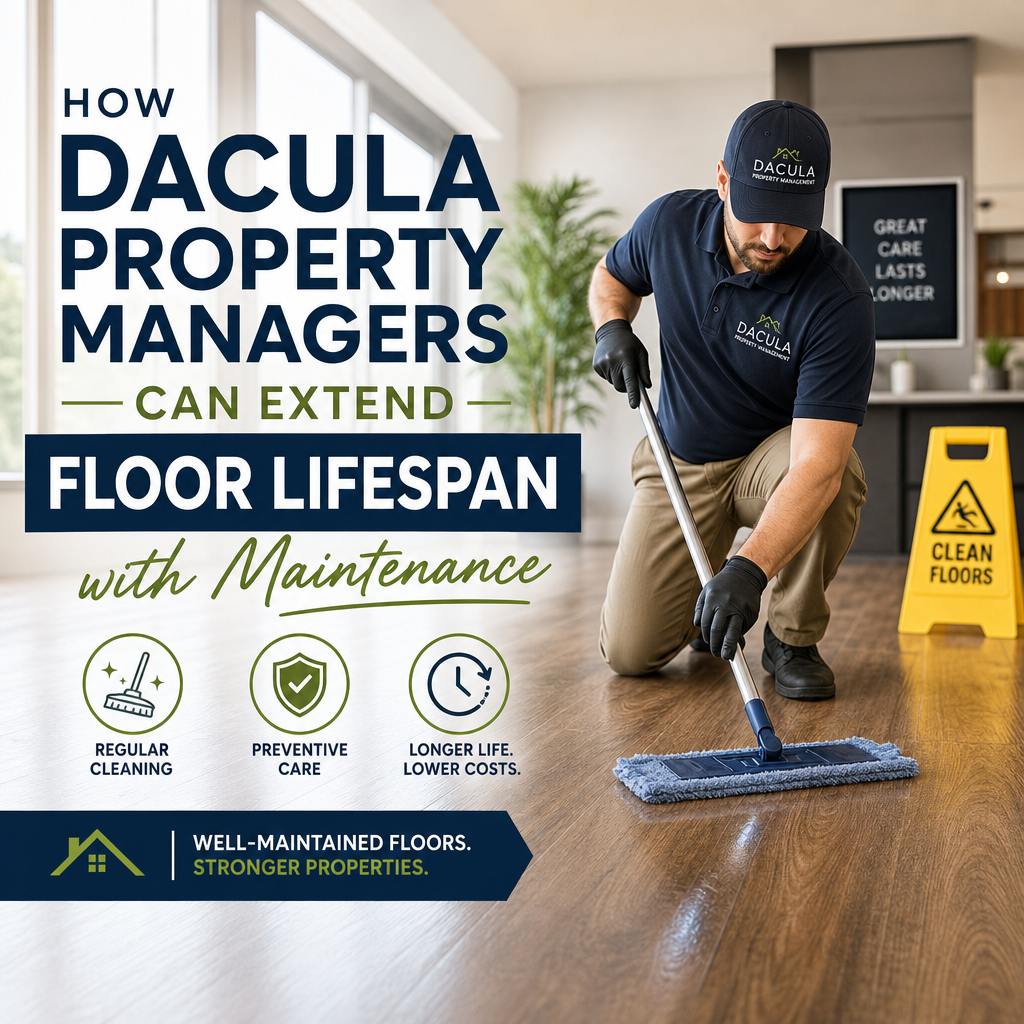
How Dacula Property Managers Can Extend Floor Lifespan with Proper Maintenance
Floors are one of the most used and most overlooked parts of any rental or commercial property. They take daily foot traffic, spills, furniture movement, dirt, and moisture damage. For Dacula property managers, keeping floors in good condition is not just about appearance. It is a smart way to reduce repair costs, protect property value, and improve tenant satisfaction.
With the right maintenance plan, flooring can last years longer before needing major replacement. The key is consistency, prevention, and knowing what each floor type needs.
Why Floor Maintenance Matters
Floor replacement is expensive, disruptive, and often avoidable. When small issues are ignored, they turn into larger ones fast.
A few common problems include:
- Scratches from dirt and debris
- Water damage near entryways, kitchens, and bathrooms
- Stains that become permanent over time
- Warping, cracking, or lifting from poor cleaning practices
- Premature wear in high-traffic areas
For property managers, regular floor care helps avoid complaints and limits turnover costs. Well-maintained flooring also creates a better first impression during tours, inspections, and move-in appointments.

Start with the Right Cleaning Routine
The simplest way to extend floor lifespan is with a reliable cleaning schedule. Dirt acts like sandpaper. If it is left on the floor, it slowly wears down the finish and surface.
Daily and Weekly Tasks
A basic routine should include:
- Sweeping or dust mopping high-traffic areas
- Vacuuming carpets with a quality machine
- Wiping up spills as soon as they happen
- Cleaning entry mats and checking for moisture buildup
- Using the right cleaning product for each surface
Different flooring materials require different care. Hardwood, vinyl, tile, laminate, and carpet should never all be cleaned the same way. Using too much water or the wrong chemicals can shorten the life of the floor quickly.
Protect Floors from Preventable Damage
A big part of maintenance is prevention. Many floor problems begin with simple, avoidable habits.
Use Entry Mats and Rugs
Placing mats at doors helps trap dirt, grit, and water before it reaches the floor. This is especially important during rainy seasons or in properties with heavy foot traffic.
Add Furniture Protection
Chairs, tables, and other furniture can scratch or dent floors. Use felt pads or protective glides on the bottom of furniture legs. Remind tenants or staff not to drag heavy items across the surface.
Control Moisture
Moisture is one of the most damaging threats to flooring. Leaks, humidity, and standing water can cause warping, mold, or adhesive failure. Property managers should inspect under sinks, around appliances, and near exterior doors regularly.
Match Maintenance to the Floor Type
Not all floors age the same way. A good maintenance plan considers the material and its weaknesses.
Hardwood
Hardwood floors should be cleaned with products designed for wood, never soaked with water. They also benefit from periodic refinishing to restore the protective surface. Scratches should be addressed early before they spread.
Carpet
Carpet needs frequent vacuuming and routine deep cleaning. Spills should be treated immediately to prevent stains and odor buildup. In rental properties, professional carpet cleaning between tenants can make a major difference.
Tile and Grout
Tile is durable, but grout can stain and collect dirt. Regular mopping with a mild cleaner and periodic grout sealing can help maintain appearance and durability.
Vinyl and Laminate
These surfaces are resilient, but they can still be damaged by excessive moisture and abrasive cleaners. Gentle cleaning and quick spill cleanup are essential.
Schedule Professional Inspections
Routine inspections help property managers catch floor issues before they become expensive. During walkthroughs, look for:
- Loose tiles or planks
- Soft spots or buckling
- Deep scratches or gouges
- Discoloration from moisture
- Worn carpet seams or edges
Professional flooring contractors can also identify hidden problems. In many cases, early repairs cost far less than full replacement.
Educate Tenants and Staff
Even the best maintenance plan can fail if tenants do not understand how to care for the floors. Clear communication makes a big difference.
Consider sharing simple care guidelines, such as:
- Clean spills immediately
- Use only approved cleaning products
- Avoid heavy furniture dragging
- Report leaks or floor damage right away
- Keep doormats in place
Staff members should also know how to handle routine cleaning and when to escalate issues. A consistent standard across all units and buildings helps protect every floor in the portfolio.
Build Maintenance into the Budget
Floor maintenance works best when it is planned, not reactive. Setting aside money for routine care, deep cleaning, and minor repairs helps avoid surprises later.
A smart budget should include:
- Seasonal cleaning services
- Spot repairs and touch-ups
- Floor protective materials like mats and pads
- Periodic refinishing or resealing
- Replacement for damaged sections when needed
This proactive approach often saves more money over time than waiting until the damage becomes severe.
Final Thoughts
For Dacula property managers, extending floor lifespan comes down to consistent care, prevention, and quick action. Clean regularly, protect high-traffic areas, inspect often, and match maintenance to the type of flooring in place.
When floors are properly maintained, properties look better, last longer, and cost less to manage. That means fewer repairs, happier tenants, and better long-term value for every property under care.